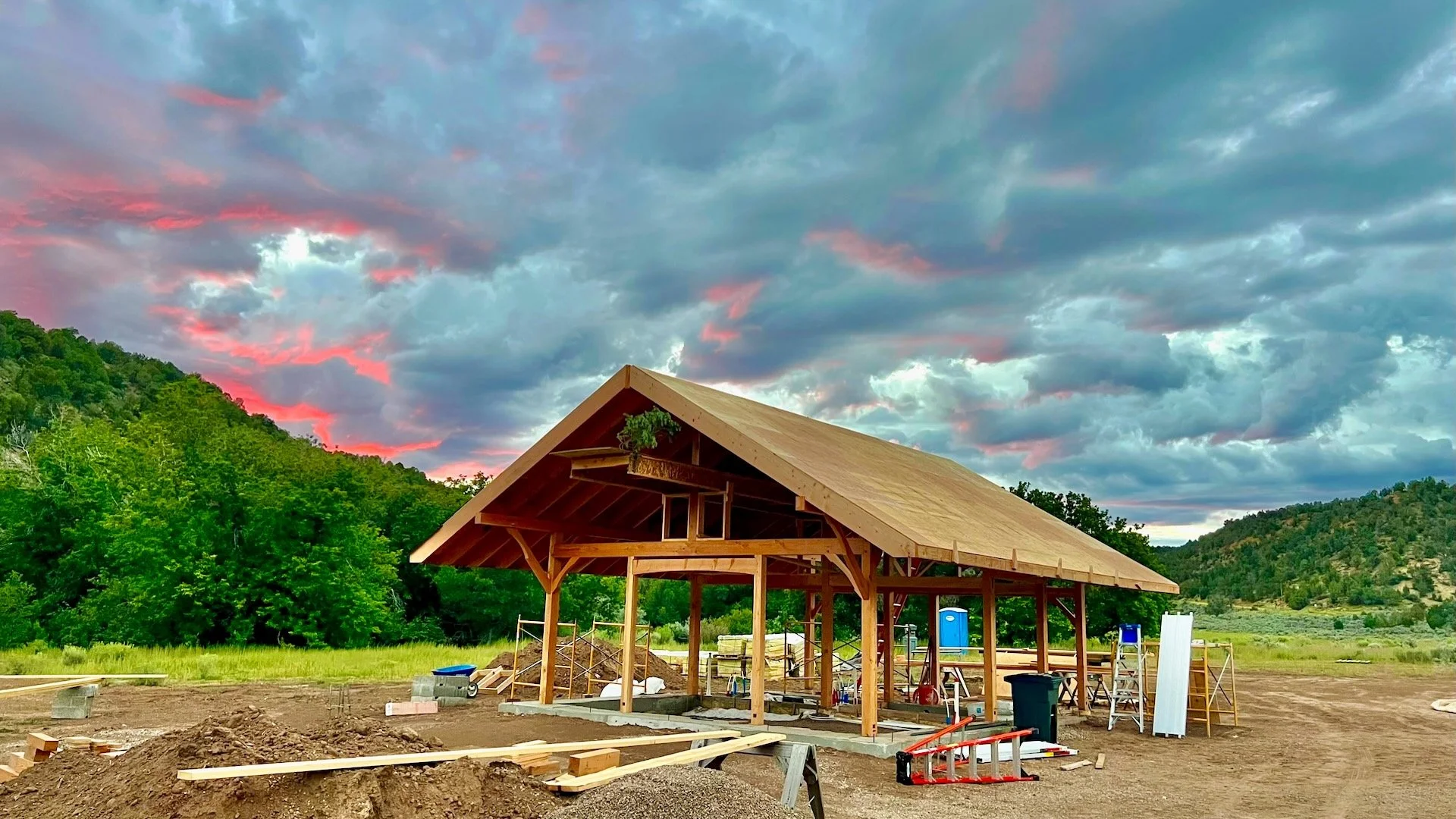
Earthville Institute
Earthville Institute
The latest quintessential example of Studio Lungta’s holistic, multidisciplinary, purpose-driven work (in progress)
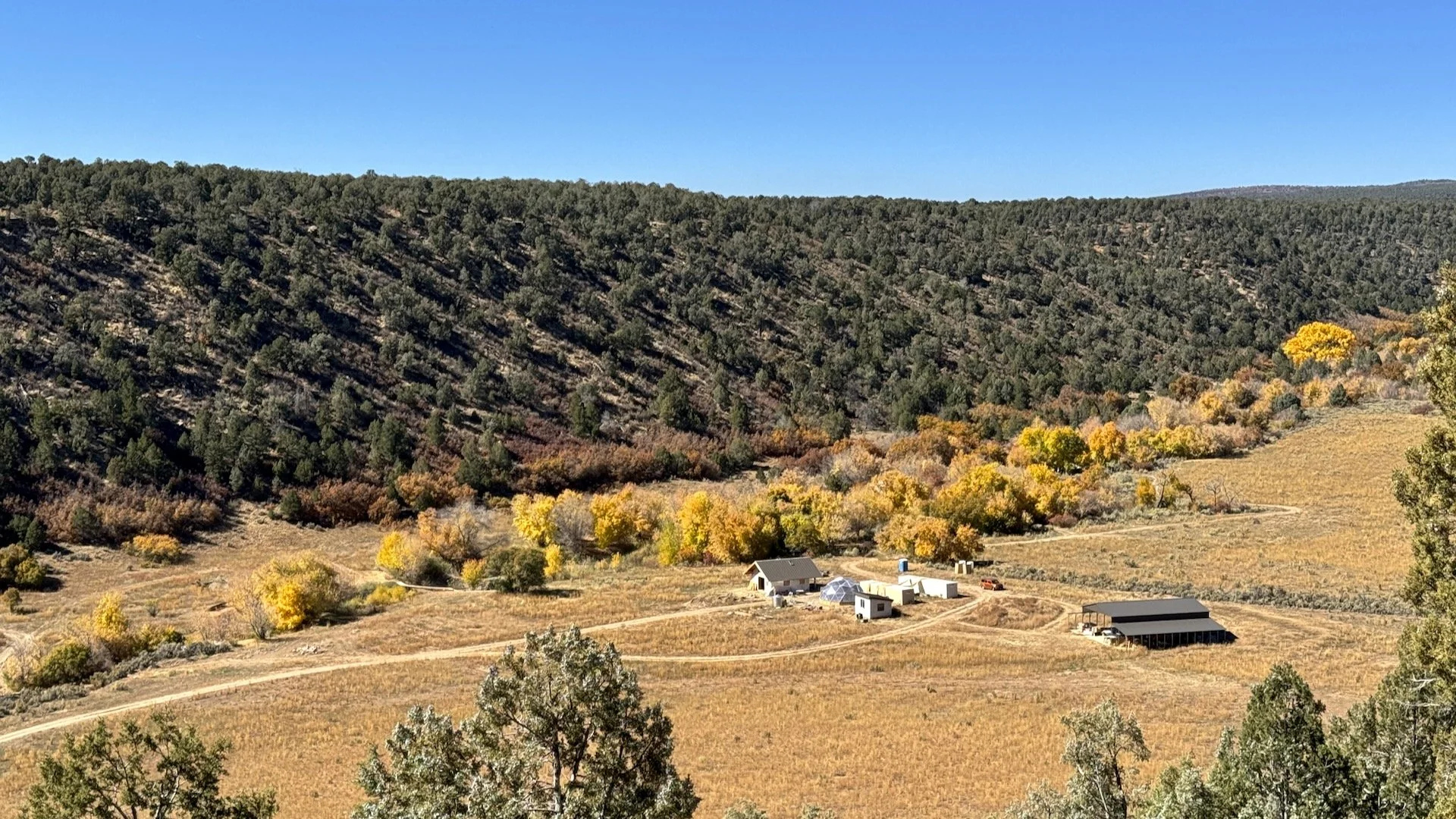
Set on a 640-acre eco-campus in southwest Colorado, the Earthville Institute is a nonprofit educational organization offering a contemplative approach to learning and practicing the arts and sciences of sustainable living and holistic personal development in a tranquil and beautiful natural setting. It also serves as a living showcase of envelope-pushing solutions for housing that is affordable, healthy, beautiful, and maximally earth-friendly.
Purpose
Earthville Institute introduces itself on its website in this way:
Earthville Institute is devoted to promoting human and planetary flourishing through holistic education for compassionate changemaking, creativity, and solutions for sustainable thriving.
The institute’s charitable mission: To promote human and planetary flourishing through holistic education for compassionate local and global citizenship.
Its hybrid organizational model integrates three core functions:
A school for lifelong learning
An incubator, living laboratory, and showcase
A community of purpose

Project
Earthville Institute was cofounded in 2021 by Mark Moore and Daphne Charles and incorporates contributions from the entire team. Thus, the creation of the Institute is a prime living example of Studio Lungta’s vertically and horizontally integrated work bridging multiple disciplines: we designed both the “hardware” (its eco-campus, natural buildings, greenhouse, gardens, and other spaces) and the “software” (its organizational model and culture, its educational philosophy and core programs, and its storytelling via website, media, etc.), all tuned for the place, its people, and its purpose.
Our roles:
Visioneering: Starting with contemplating the needs of the local community and those of the global community of purpose that gathers around an inspiring vision and possibility, listening to needs expressed by community stakeholders, developing a holistic model for addressing those needs, seeking counsel from experts and elders, and cultivating a plan to realize the resulting vision.
Organizational development: From founding formalities to designing the org structure and its principles, policies and practices, and building the community of kindred spirits that make the magic happen.
Eco-campus development: Master planning for the 640-acre eco-campus; architectural design and natural building (three earth-and-strawbale buildings to support the institute’s functions, plus several lightweight structures such as canvas yurts and tents); permaculture landscaping (including a geodesic dome greenhouse, organic garden beds, and compost facilities), and a pole barn that serves as an outdoor classroom and co-working space.
Educational experience design & instruction: Articulation of educational philosophy; curriculum development; individual program development (courses, workshops, retreats, etc.); contributing instruction/facilitation for most of the educational programs during the institute’s first decade; training and mentoring the next generation of leaders, educators, and facilitators.
Storytelling & PR: Developing the website for the institute; generating content to engage the public; managing communications with prospective students and other members of the public; and training others in all of these roles.
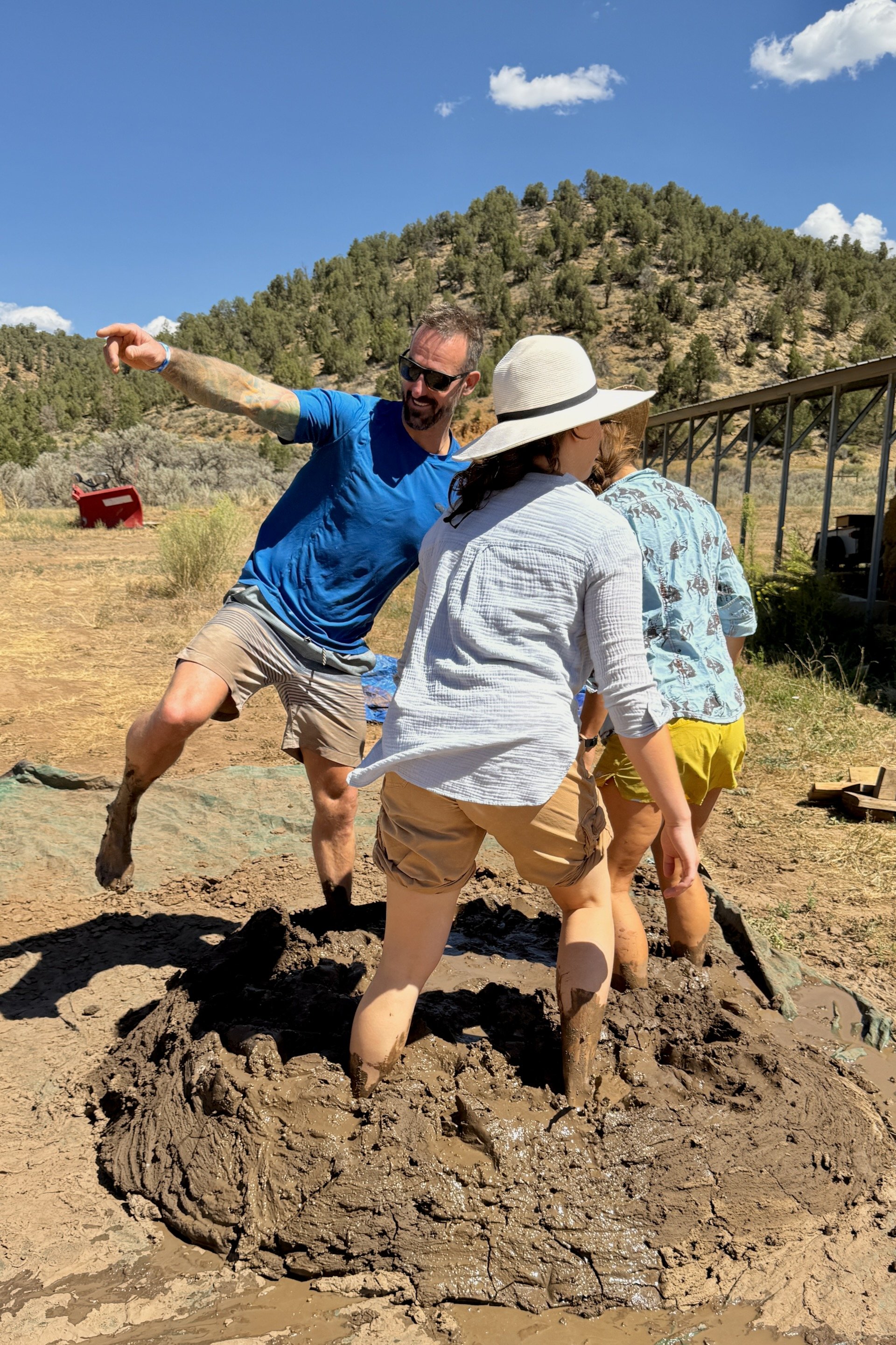
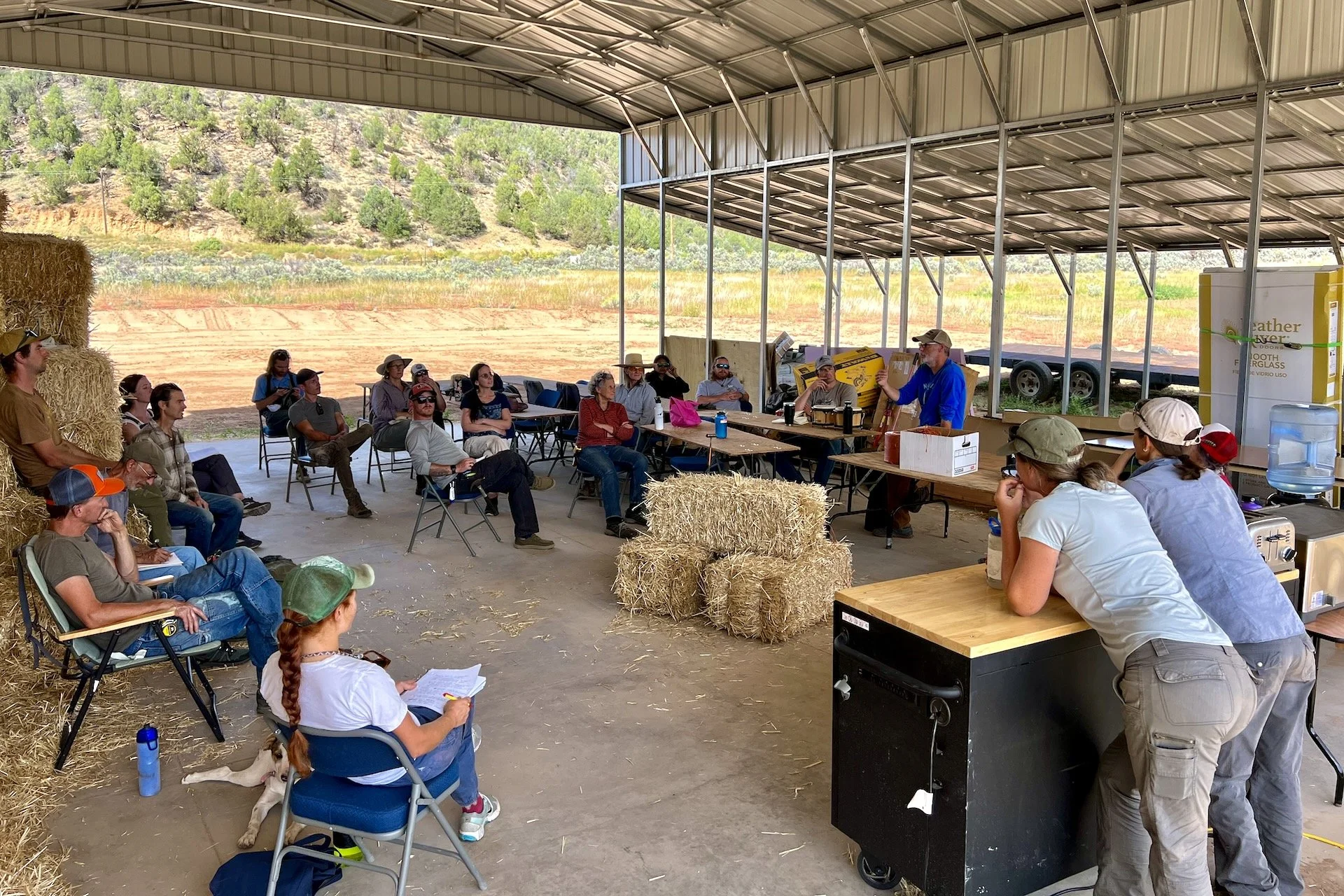
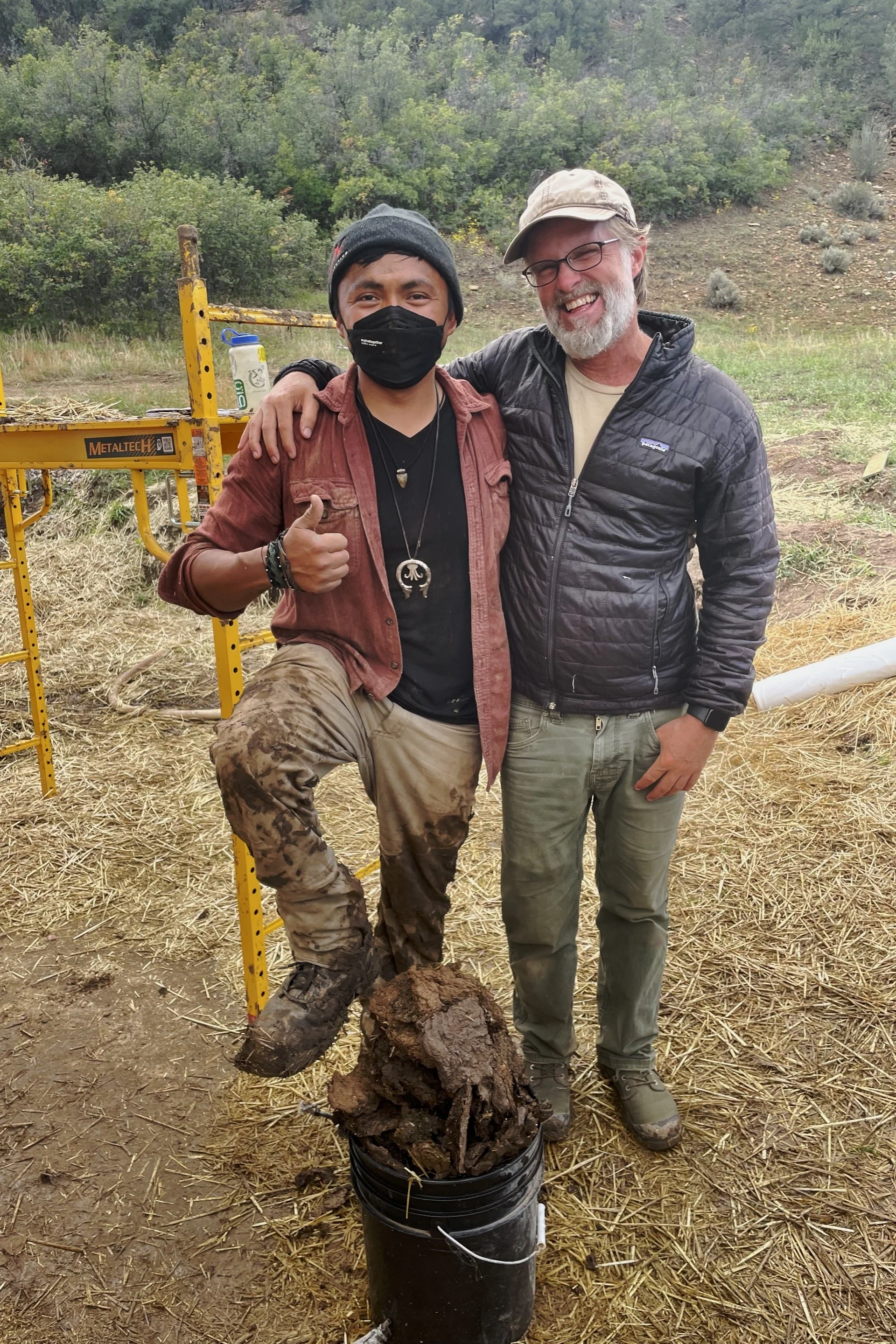
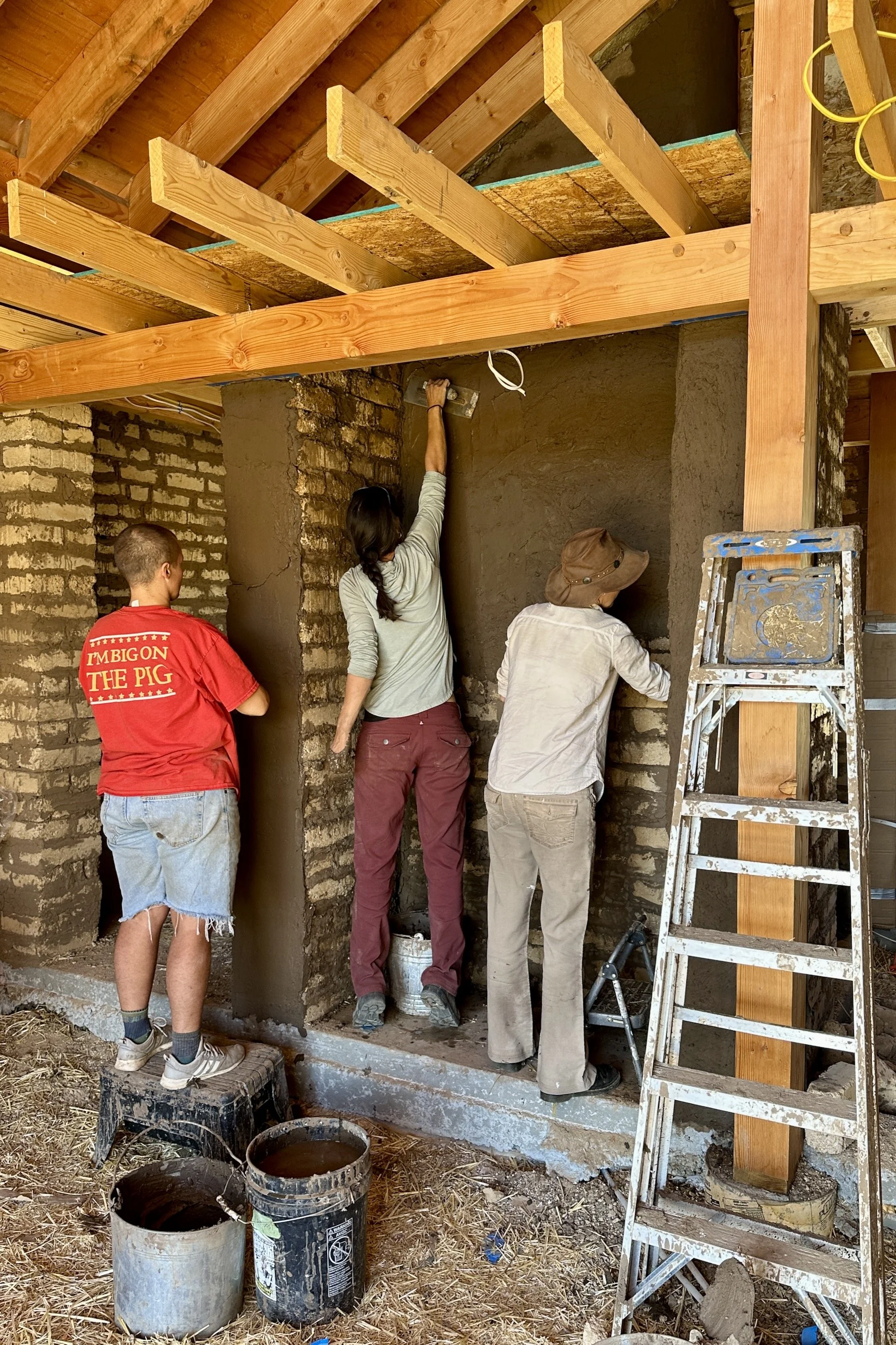
Residential programs for real-world education, empowering learners as teachers and as agents of service to the local community and beyond: The majority of the institute’s programs are residential, supporting an immersive experience. This called for a thoughtful approach to integrating the “hardware” and “software.” For example, the institute takes a “learn it by living it” approach to empowerment and personal development through service learning and other forms of experiential education. Programs such as these provide precious opportunities to learn hard and soft skills for sustainable and compassionate living by studying and practicing them in the real-world context of the institute’s eco-campus itself. In fact, the structures, gardens and other spaces of the campus were all built by the institute’s students and volunteers, working alongside Studio Lungta’s design-and-build team and guest artisans as a part of various programs of the institute.
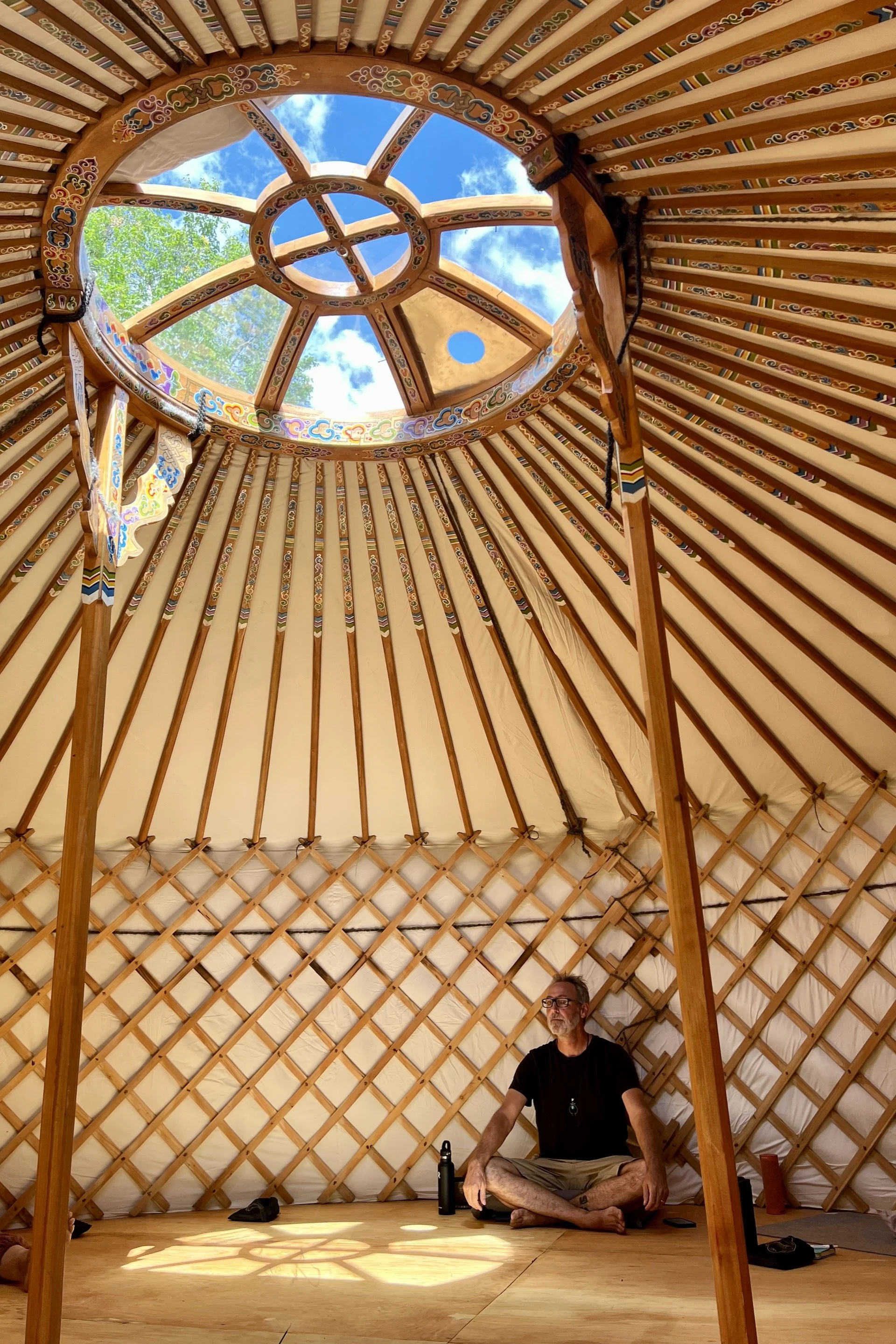
Contemplative approach: The institute’s educational approach adapts the principles of Earthville Education, bringing a deeply reflective, contemplative approach to all of its programs, including the most practical hands-on trainings. This approach enhances learning, catalyzes deeper connection and engagement, and fosters personal development along with the topical learning, providing genuinely life-changing educational experiences.
Key distinguishing features:
Aspiration to apply compassionate principles to all aspects of the project, including relationship to the land (e.g. sensitive stewardship with minimal intervention, natural building, organic farming, reforestation, etc.), relationships with the Native communities of the region (e.g. stewarding the land with respect for tradition, providing access to native communities, and cultivating friendships of mutual support), and other fundamentals such as resource consumption and waste management, natural energy and efficiency, financial matters, and so on.
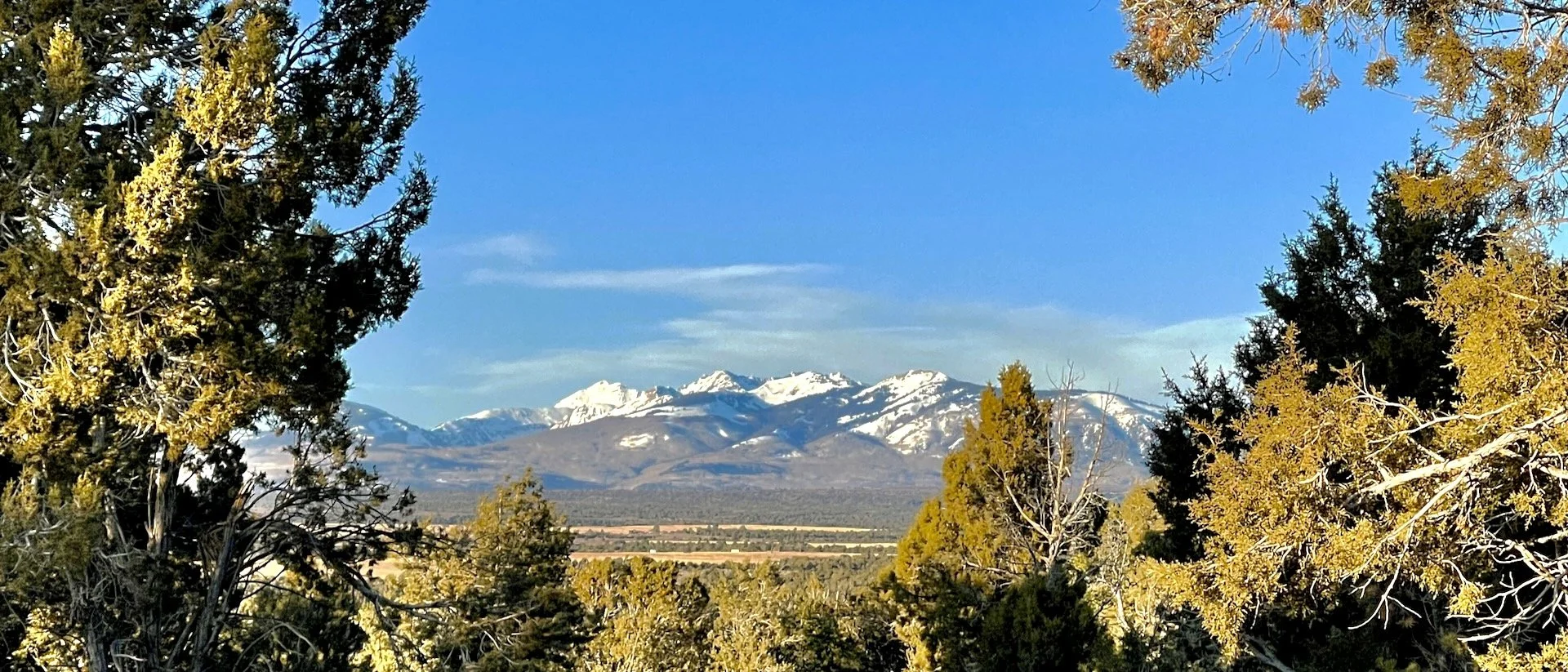
Setting in rural America, near Mesa Verde National Park: The campus is situated in the Four Corners, a unique cultural and geographical region where the Rocky Mountains of Colorado begin their transition into the high deserts of northern New Mexico and Arizona, where ancient native wisdom meets modern life, where traditional sustainable living practices meet all manner of modern approaches, and where people of all sorts from across the US and around the world come to immerse themselves in nature.
Connections
You can experience Earthville Institute for yourself, starting with a visit to its website: earthvilleInstitute.org.
You may also wish to explore its sister campus in the Indian Himalayas, Dharmalaya Institute for Compassionate Living.
If you’d like to explore how Studio Lungta might help you realize your own inspirations for purpose-driven projects, you can reach out to us here.
Project at a Glance
Client:
Earthville Institute, a nonprofit educational organization and 501(c)(3) public charity
Location:
Windhorse Village, near Durango, Colorado (USA)
Sustainable design features:
Structures built from natural materials including straw bale, lime-stabilized compressed earth blocks, site-made adobe bricks, cob, natural plasters, limecrete floors, traditional mortise-and-tenon timber framing from sustainably harvested wood, Faswall blocks, mineral wool insulation, etc.
Passive design making best use of sunlight and of natural materials for insulation
Geodesic dome greenhouse and organic gardens with landscaping using permaculture design principles
Composting toilets producing natural fertilizer for the gardens and orchards
Water conservation: rainwater harvesting and gray water reclamation
Scope of our work:
Visioneering
Master planning for 640-acre campus
Architecture & design
Natural building
Permaculture landscaping
Organizational development
Program & curriculum development
Storytelling (website, media, etc.)
Project team:
Mark Moore: visioneering & leadership (cofounder, director), HOD (org design, culture-building, community-building, mentoring), placemaking (campus master plan, building and garden design, natural building, permaculture implementations), education (curriculum development, program design, instruction, retreat facilitation), storytelling (website development & graphic design)
Daphne Charles: visioneering & leadership (cofounder, director), placemaking (campus master plan, building and garden design, natural building, permaculture implementations), education (head of architecture & design faculty, program design, instruction, retreat facilitation), storytelling (website development & graphic design)
Mai-Linh Leminhbach: HOD (culture-building, community-building, mentoring), education (program design, instruction, retreat facilitation)
Amy Hiller: HOD (org development, communications & community building), education (program design & facilitation), storytelling (video production & social media)
Tom Skelton: design & storytelling (video production, website, graphic design, photography), education (program design & facilitation)
Key collaborators:
The Earthville Network (US-based nonprofit)
Robert Laporte of EcoNest Architecture
Andrew Morrison of Strawbale.com
Local nonprofits, educators, and youth services program directors in the Four Corners area
Friends from Diné Bikéyah (Navajo Nation), collaborating in the spirit of mutual support
Builders:
Studio Lungta’s build team (including all those mentioned above)
Robert Laporte of EcoNest Architecture (traditional timber framing)
Andrew Morrison, Timbo Scursso, & Dainella Nartker of Strawbale.com (Andrew supervised the first three straw-bale structures, and Timbo and Dainella were a huge help)
Students, training workshop participants, and volunteers from around the world
Local specialist tradespeople
Timeline highlights:
2020: Visioneering begins
2021: Site identified, land secured
2022: Permits received, construction begins
2022: Educational programs commence
2023: New charity legally established (spun off from the founding charity)