Natural Design & Contemplative Architecture
Natural Design & Contemplative Architecture
An immersive, long-term course offering a deep and transformative exploration of design, the power of space and form, the creative process, and our relationship with these.
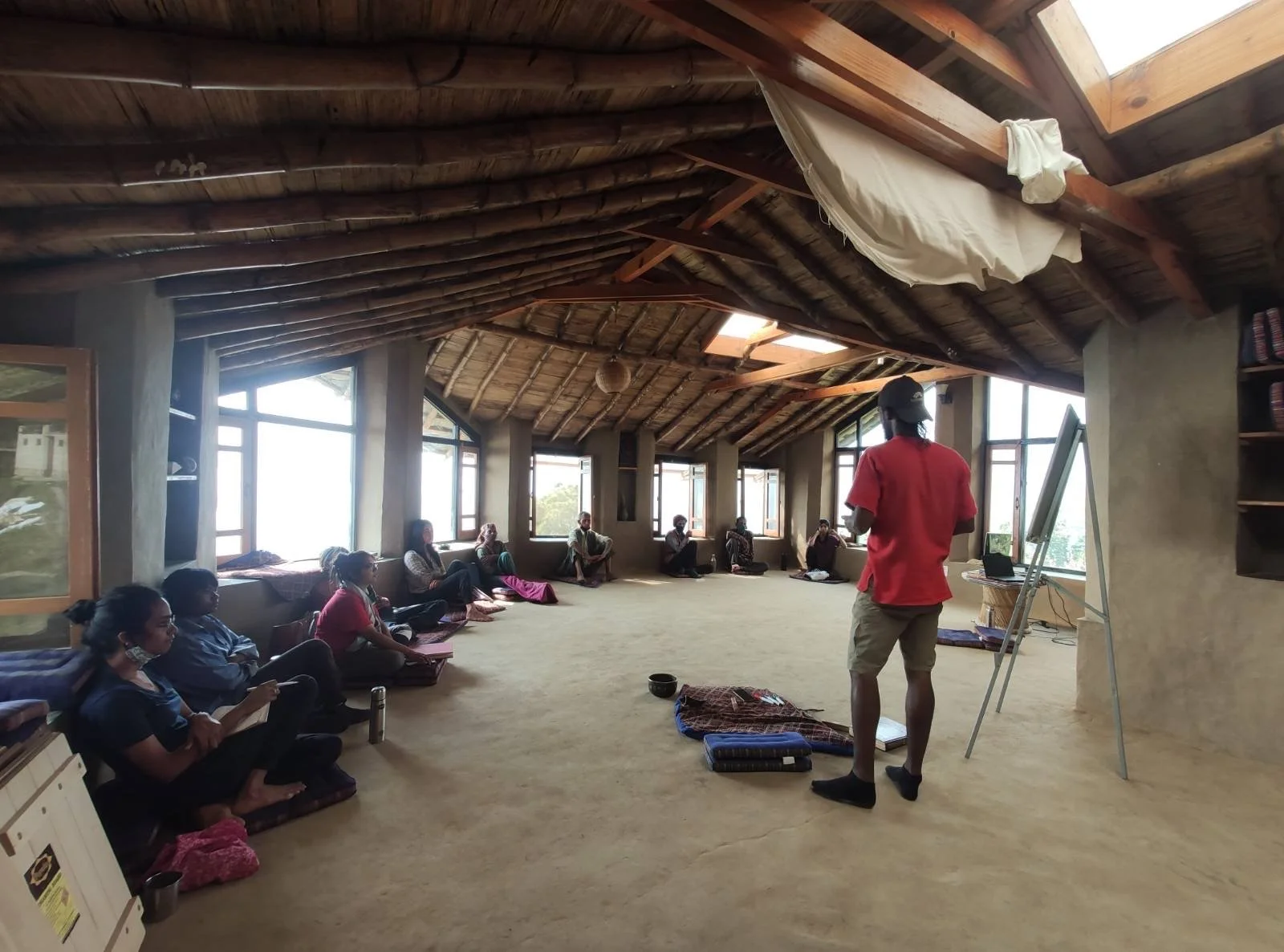
A diverse array of exercises and hands-on projects supported by a multidisciplinary syllabus of complementary studies add depth, detail, and experiential intimacy to the ideas and practices explored. Integrating theory and hands-on learning, meditation and movement practices, contemplative geometry, philosophy and sharing circles, this course seeks to engage the whole human in the exploration of space and form.
What are natural design & contemplative architecture?
-
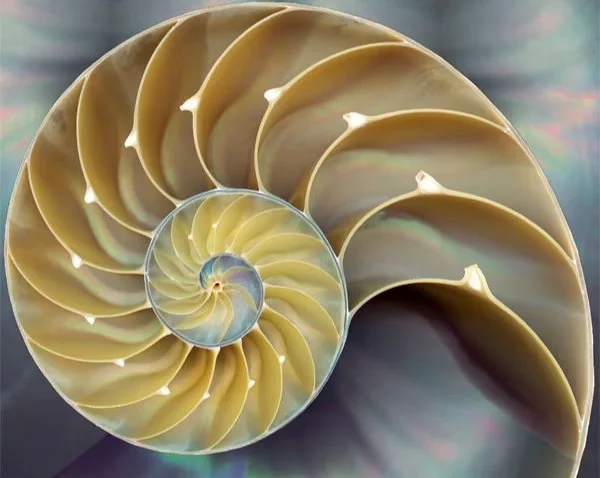
Natural design describes an approach to design that is informed and inspired by the greatest designer of all time: nature herself. The driving force behind the design approach is reverent recognition of the wisdom and beauty of nature, which inspires us to work in concert with her laws, forms and patterns. Natural design can be applied in any creative process — not only art, graphic design, and architecture, but also the design of any space or thing or experience, including the contemplative design of our own lives and selves.
-
Contemplative architecture is an expression of natural design viewed through the lens of architecture, which recognizes the power of space and form to transform our sense of ourselves and the world around us and facilitate more harmonious ways of living. In other words, contemplative architecture draws inspiration from nature to support the functions of well-being and sustainability. This approach begins with sensitivity to the energy, context, and function of a site, and creates a response that harmonizes with that energy and supports that function — ideally in the most elegant and resource-efficient way, just as in nature.
Type:
Experiential education program
Duration:
1 year (modular structure with multiple shorter periods also available)
Course format:
Hybrid residential with online learning modules
Target Group:
Open to all with interest in:
The arts and crafts of nature-inspired design and creativity
Designing and building one’s own home or other structures
Studying the power of space and form
Project leads:

Five Tenets of Contemplative Architecture
This course investigates five essential tenets that distinguish contemplative architecture:
-
There are several dimensions of sensitivity that work in concert in contemplative architecture:
Ecology: sensitivity to nature, to the land, to the earth and its many forms of life
Aesthetics: sensitivity to the forms, proportions and patterns of nature
Feeling: sensitivity to the energies and flows of nature, and the craft of harmonizing them
Compassion: sensitivity to the potential helpful or harmful impacts of our choices and actions
Responsibility: compassion in action, minimizing harm and contributing to solutions
-
With the sensitivity described above, we naturally develop an ever-deepening sense of reverence for the astounding genius of nature and its incomparably perfect beauty. The more we see and feel the sacredness in nature, the more we are filled with respect, humility and awe. Contemplative architecture is allowing this reverence to shape and guide the design and building processes.
-
In our context, the term ‘holistic’ means being a whole person sensing a whole multi-dimensional context in which to create a whole solution that is harmonious on all levels. In terms of contemplative architecture, this means, among other things, understanding spaces and structures as systems existing interdependently within larger systems — and that includes not only the architecture but also the architect herself.
-
This course is as interested in inner architecture as it is in the outer; as devoted to the practitioner as it is to the product. In the practice of contemplative architecture, the creator and the creation are inseparable. It is by bringing out the greatest potentials within the builder that the greatest potentials of the building manifest. Embodiment also means upholding our values with integrity and taking responsibility for the impacts of our creations on all levels— personal, social, ecological, and so on. In this course, we support the cultivation of embodiment through the integration of meditation, yoga, personal development processes, and mindful work — and, of course, sustainability.
-
Building on the foundations of sensitivity, reverence, holism, and embodiment, the architect is in a better position to approach the art and craft of harmonious design. This refers to both product and process, meaning not only is the design itself an embodiment of harmony, reflecting the sacred, but also the entire process by which the design is formulated and executed is infused with those qualities. Also essential to this harmony is that a design’s use of space and form are sensitively tuned to the functions that will be happening in the space, using the power of space and form to support and catalyze those functions. Thus, harmonious design is both a cause and the effect, and its ripples flow into the experience of those who enjoy the space that has been created, helping to bring harmony to them.
The syllabus
The course syllabus integrates four different arenas of study and practice. All of these are interconnected, but for clarity we present them here in four distinct “dimensions” of the learning objectives of this course.
Dimension A
Fundamentals: Theory & Practice of Natural Design
The fundamentals of natural design are those ideas, practices, skills and capacities that define it as a discipline. Because natural design is a holistic discipline, there are many elements that come together to create the foundation upon which the practice is built. As the course progresses, the links between these elements will become clearer, as they come into focus as a multidimensional view of design.
Areas of learning & practice
-
Examining the recurring patterns of shape and form in nature and refining our understanding of what it is that creates harmony in shape and form, and how it impacts us as humans (and vice versa).
-
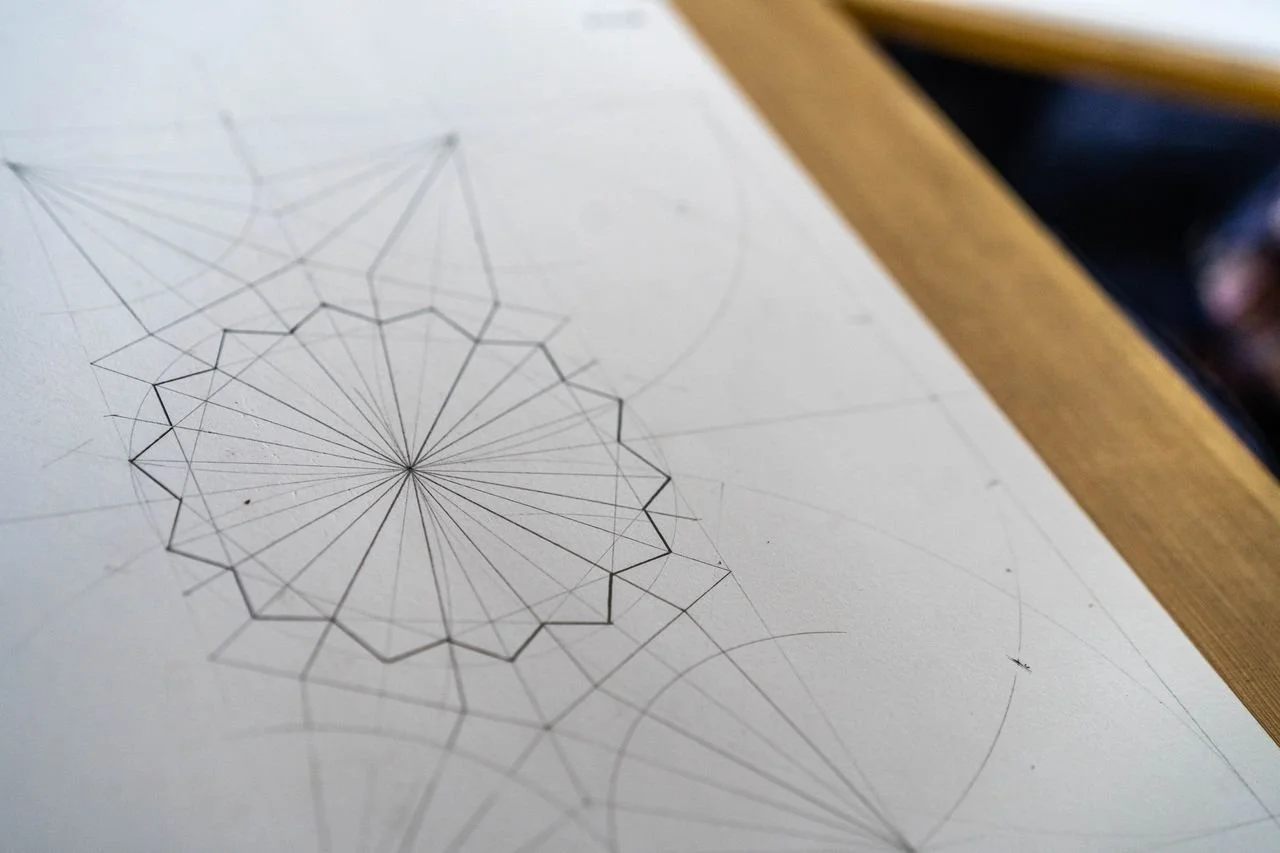
Beginning with a fresh look at the basic building blocks — points, lines, basic polygons and Platonic solids — and how we can understand geometric harmonies better through being able to measure them, create them with our hands, and build a design vocabulary around them.
-
Introductory overview of sacred architecture traditions from around the world, including vastu and other similar and complementary systems.
-
in both the built environment and the natural environment.
-
and other ways of looking at harmony between the built environment, the cultivated environment, and the natural environment.
-
the physical impacts of sacred geometry on living beings, and other contributing factors such as electromagnetic pollution, ley lines, geopathic stress, etc.
-
presented by faculty and special guests.
Skills & capacities to be developed:
-
Cultivating an attentive presence that notices more than we ever have before, with greater openness, sensitivity and empathy. We develop our capacities for observation, deep listening, reflection and contemplative practice.
-
Through our cultivation of sensitivity, we discover a more refined attunement to harmony and the various elements that can contribute to it or detract from it
-
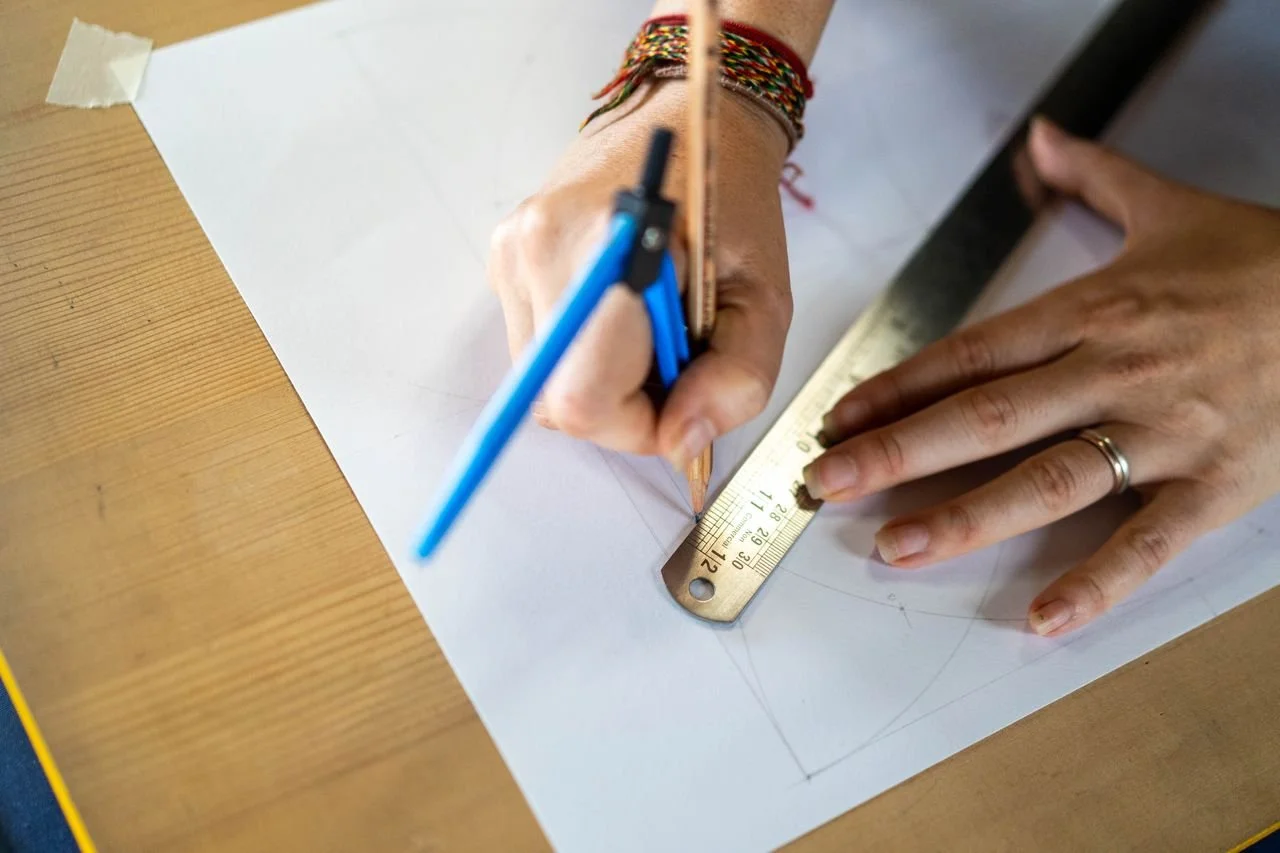
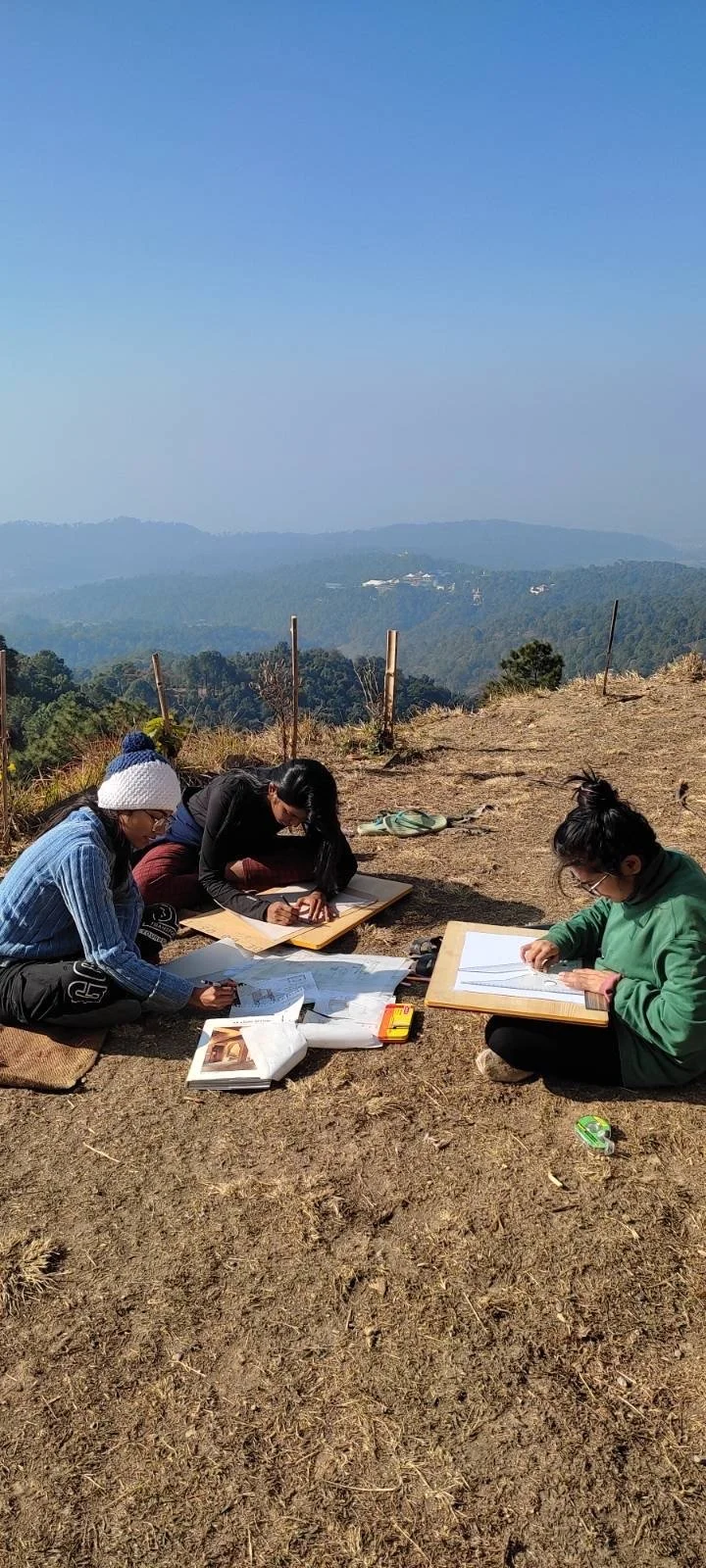
Drawing (including proficiency with drawing tools such as compass and protractor), sketching, model-making, using basic tools, working with earth as a material, etc.
-
Seeing and feeling a space (natural or built) in the context of its surroundings, as a living system, and refining the skill of noticing, and especially cultivating the capacity to notice the various elements that work together to make a space feel life-affirming.
-
Seeing everything (including a site, an object, a structure, and ourselves and others) not as isolated ‘things’ but rather as systems within larger systems, all inextricably interdependent, and learning to approach design and problem-solving with that systems view.
-
The exploration of all of these ideas and practices together, and plenty of discussion about all of it, will help us establish a shared vocabulary around nature and design and sacredness that will help us go deeper into these experiences as we move through the course.
Dimension B
Design Studio: Contemplative Creativity in Action
This course dedicates much of its time to exploring the realm of design — with the hands and the body, the heart and the mind. This is not a university-style design training, but rather a profound, holistic exploration of the creative process and our relationships with the creative forces within us and around us.
Areas of learning & practice:
-
A series of engaging design exercises to help acquaint participants with different dimensions of natural design through integrated study and practice, including practicing sensitive composition, experiencing shape and form with the senses, and more. These exercises will help participants question assumptions about design, about the creative process, and about ourselves and the world we live in. They will provide opportunities to unlearn some of the formal training that might actually be an obstacle to more harmonious design, and will encourage playfulness and free creative exploration within a state of deeper connectedness.
-
After covering some of the foundational course material and completing some initial design exercises, we will begin channelling these skills and sensitivities into collaborative design projects for spaces and structures that are part of the long-term master plan for a particular site. These will include structures as well as outdoor spaces (‘landscape architecture’ incorporating permaculture design principles).
In each case, we will begin with a site study, then follow with a design brief, and then ask the participants to make a deep and personal enquiry into the brief. There will be opportunities both for individual consideration of the designs and for collaborative design processes.
Skills & capacities to be developed:
-
A holistic way of seeing, understanding, contemplating, problem-solving, and creating, which considers design challenges from many angles and seeks solutions that work well in all respects.
-
Applying one’s deepening sensitivity to the design process to cultivate the practice of contemplative design, and developing our skills at each stage of the design process, from site study to initial design, through iterative refinement, to a design that feels finely tuned and ready to manifest.
-
Starting with the big picture, envisioning a healthy and life-affirming master plan that expresses and facilitates harmony between all the elements of the site, its surroundings, and the people and activities within it.
Dimension C
Making: Hands-on Building, Landscaping & Manifesting
When it comes to learning design, there’s simply no substitute for the experience of actually building what has been designed, and especially for the experience of living with both the process and the product. One of the distinct advantages of this course is that it provides a precious opportunity to live for an extended period on the site where the designing and building are happening, and to let the building process be informed by that lived experience, and vice versa, in a fruitfully edifying feedback loop.
Areas of learning & practice:
-
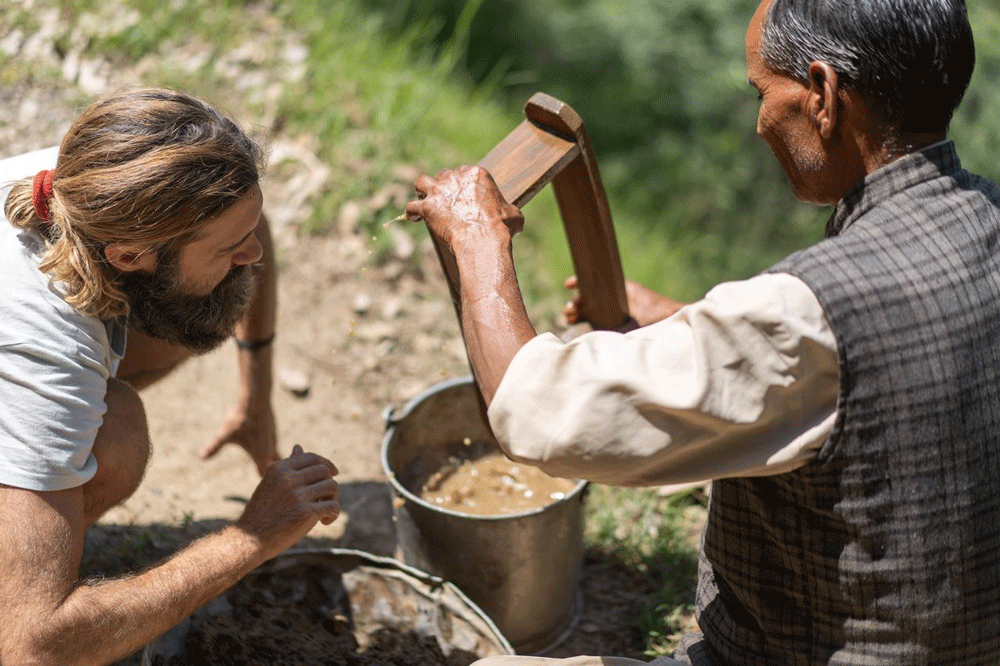
As the design process evolves, participants will have precious opportunities to apply and refine these design skills and sensitivities through hands-on work.
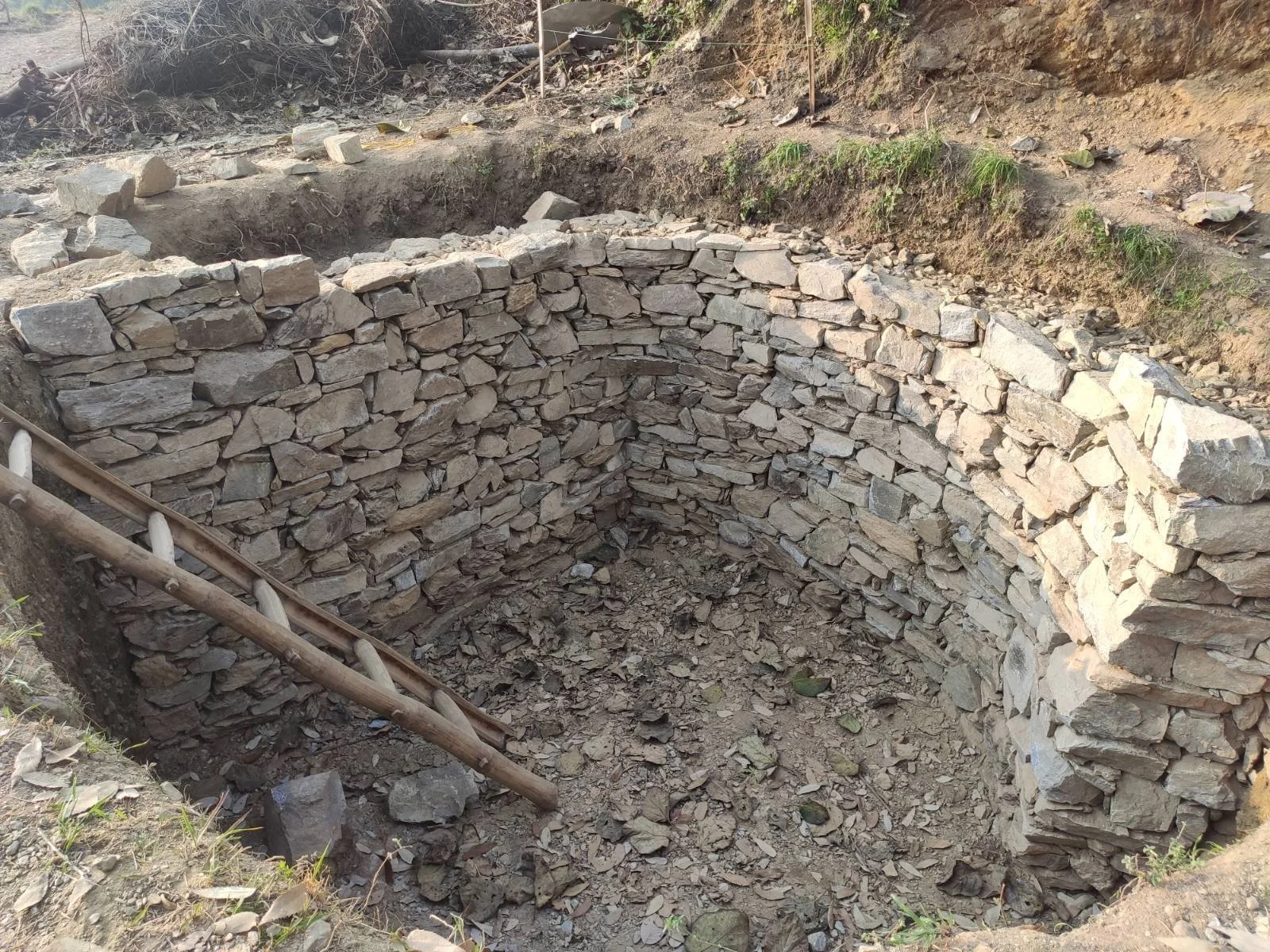
Earthen building: Learning and practicing some of the basic skills of natural building, to facilitate exposure to different materials and methods.
Permaculture landscaping: Integrating the built environment, the cultivated environment, and the surrounding natural environment.
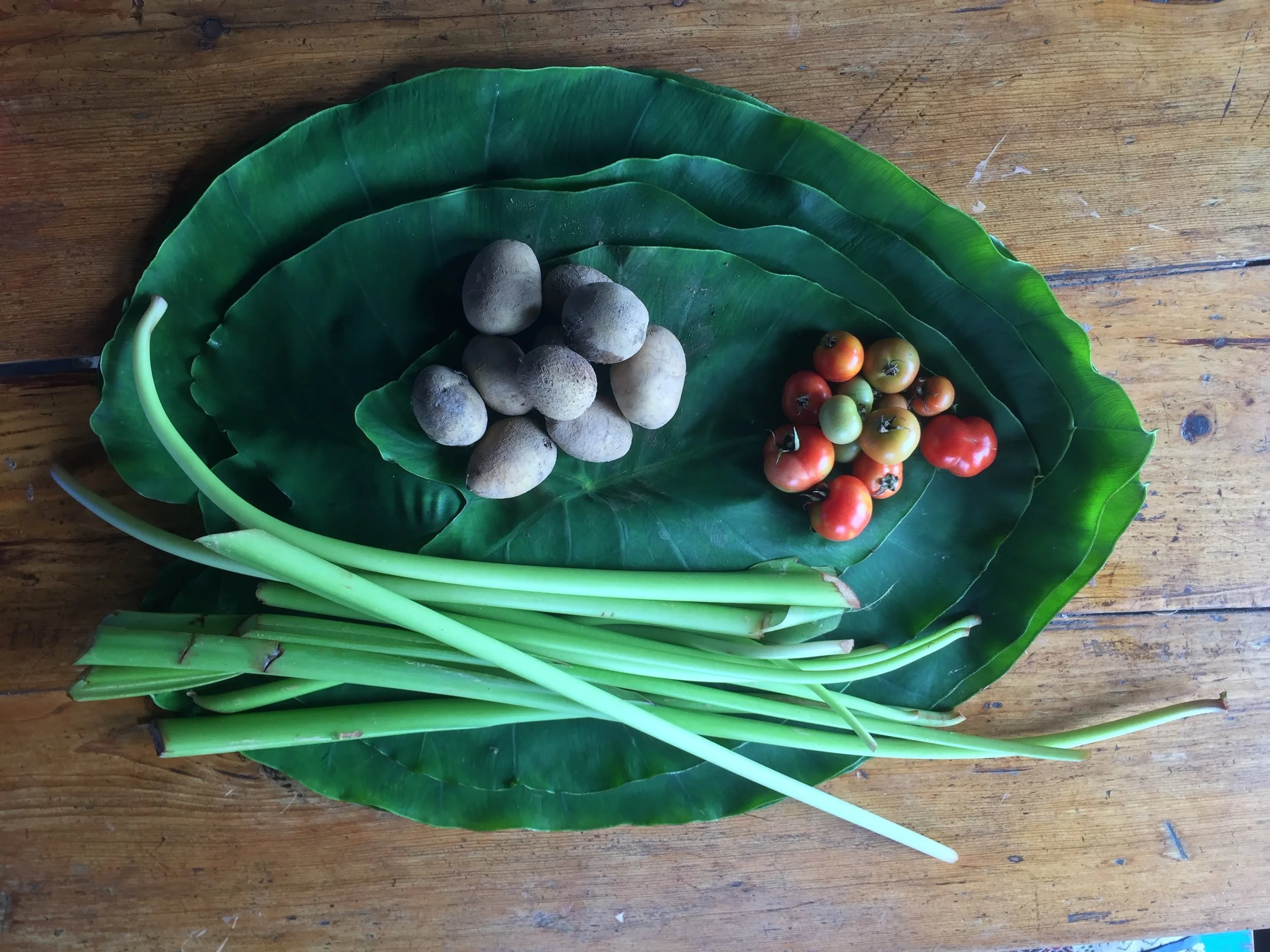
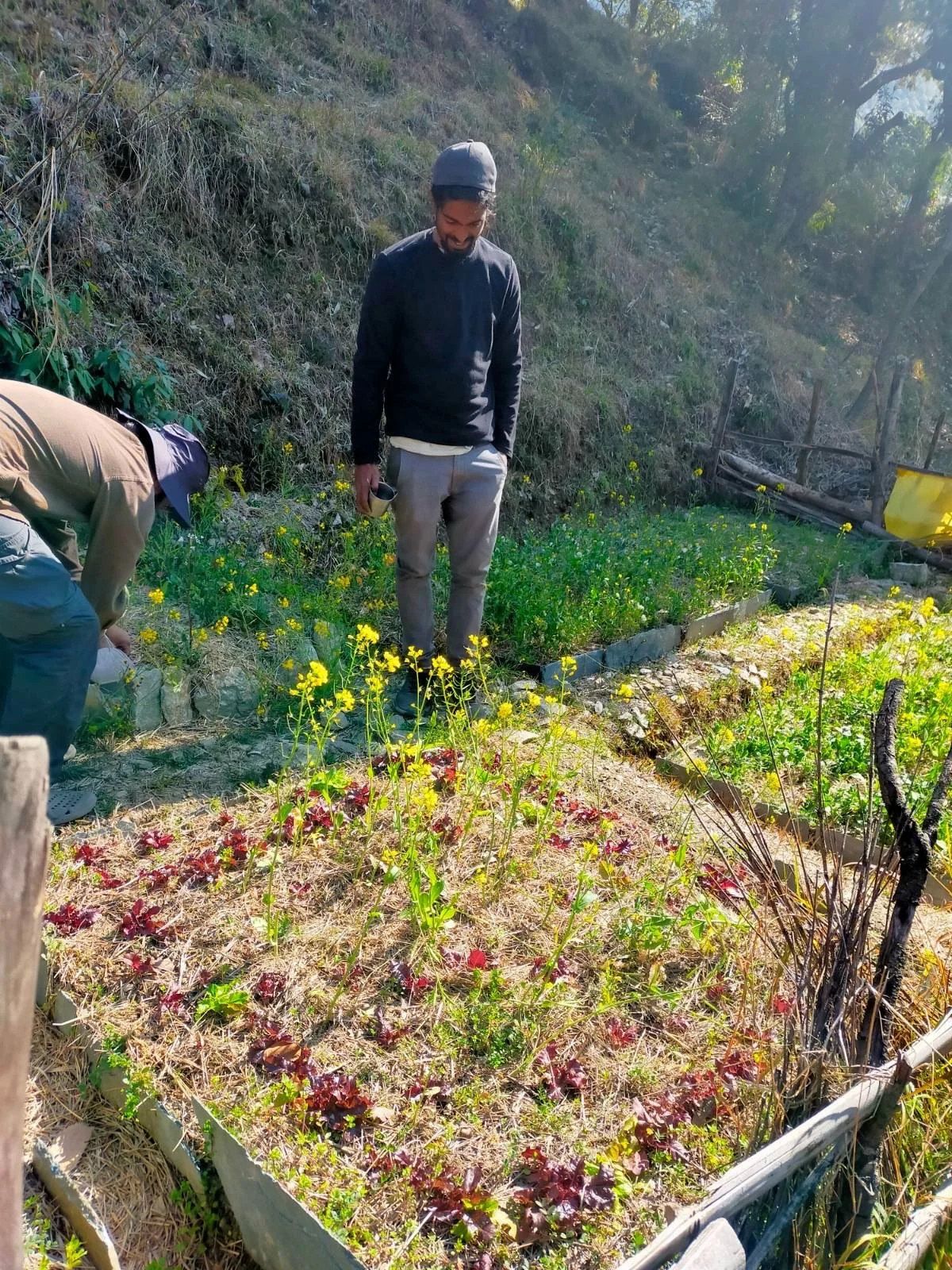
Organic gardens: Creating beautiful and thriving gardens utilising various traditional and innovative techniques to create healthy soils for high-yield food-growing.
Skills & capacities to be developed:
-
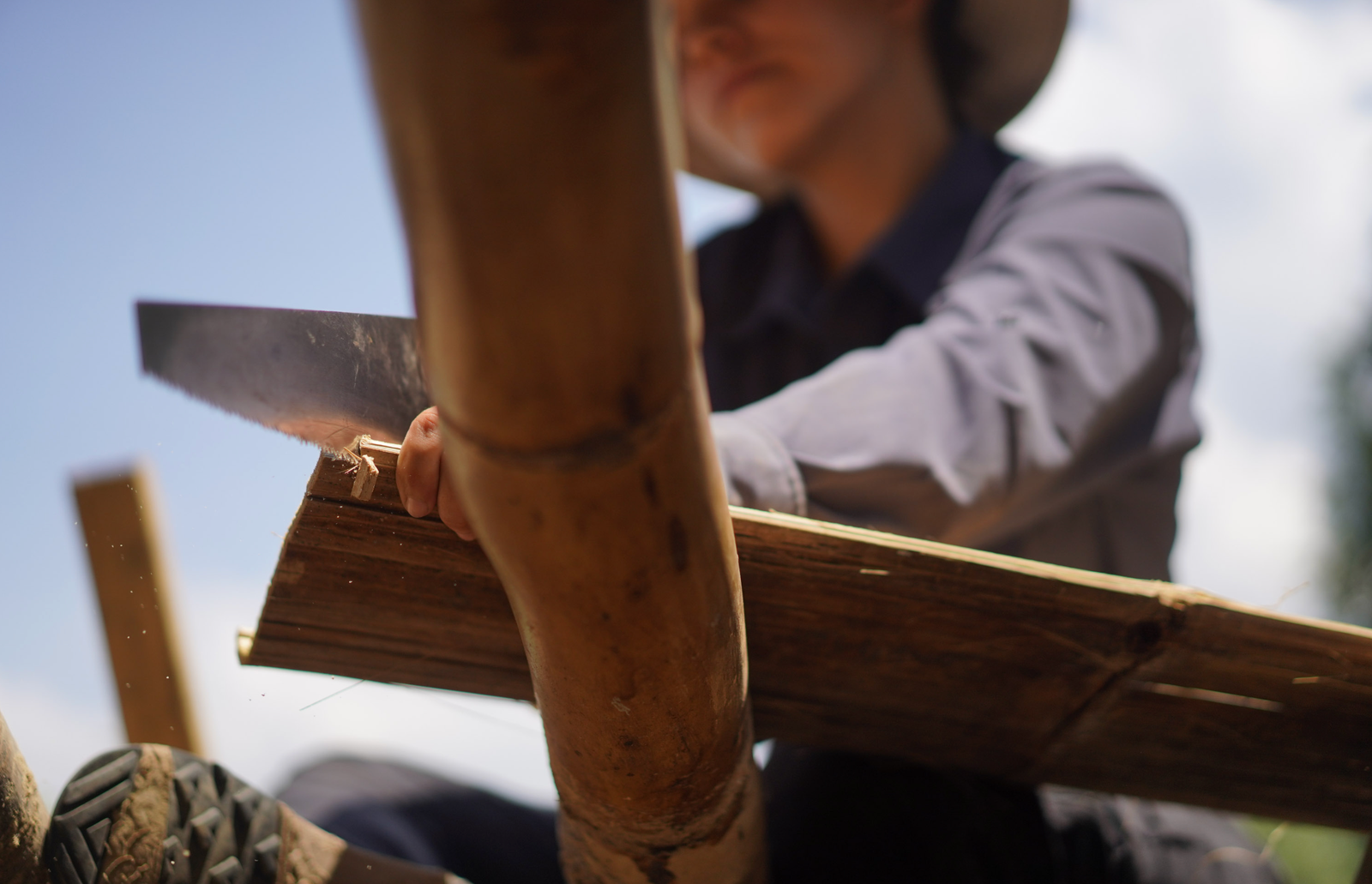
Proficiency using the, hands, body and tools in the process of construction and landscaping.
-
Focusing on quality of work with mindful presence, noticing the small things, and working joyfully to do work with a level of quality that pleases both oneself and those who will have the opportunity to enjoy the final product.
-
An introduction to both theory and practice in one or more natural building techniques to develop your hands-on skills to a level of basic proficiency will aso give you a sense of natural building materials, how they behave in various contexts, and what can (and can’t) be done with them. This, in turn, informs the design craft since you’ll gain a gradually improving understanding of the materials and methods for which one is designing. Participants will have achieved at least a foundational familiarity with multiple materials and methods of natural building through these hands-on projects.
Dimension D
Embodiment: Holistic Personal & Professional Development
It has been said that the purpose of design is ‘to bring out the best in the people inhabiting it,’ and indeed that is one noble purpose, but the living practice of design with a contemplative approach also has the potential to bring out the best in the designer herself. In this course, we use design as a vehicle to bring us closer to our best possible selves, as agents in the movement toward the best possible world.
Areas of learning & practice:
-
Exploring the impacts of natural design principles in our own natural form — the body itself — through yoga and other conscious movement practices, supported by a healthy plant-based diet.
-
Discovering our natural capacities for well-being and nuanced sensitivity through meditation and mindfulness practices, gaining direct experience of the positive impacts of meditation on both mind and body, and thereby gaining insight into one of the greatest benefits of natural design and sacred architecture.
-
Cultivating a deeper, more personal, and more authentic experience of harmony and balance in our design approach through living a healthy and balanced lifestyle (including physical activity and proper rest, as well as healthy food).
-
Enhancing our innate awareness of the connectedness of all living things and applying it in our harmonious collaboration with our fellow participants and the Dharmalaya community, and thereby deepening our embodied understanding of the connectedness of all the elements of our sites and projects.
-
Contemplating the whys — the Big Questions of natural design, contemplative architecture and being human — designing the designer and building the builder. These philosophical and meditative explorations will draw on traditional wisdom, including time-honoured texts and practices.
Skills & capacities to be developed:
-
Growing and evolving as a compassionate and responsible local and global citizen; decreasing our harm footprint while optimizing our help footprint; living a deeply satisfying life while supporting others do the same.
-
Cultivating a daily meditation and movement practice, which helps to reduce stress, enhance functioning, inspire creativity, and improve the quality of our work and our connections with others.
-
Developing healthy and balanced empathy, compassion, and the essential skills of deep listening and patient and nuanced observation — in relation so self, others, our work, and the world.
-
Moving from vision to manifestation through effective, harmonious action.
-
Learning to communicate with greater sensitivity and effectiveness — understanding others better and learning to make ourselves better understood through mindful, clear, caring communication.
-
Engaging with others more effectively in harmonious cooperation toward common goals.
-
Using the vehicle of sound to enhance our feel for harmony, rhythm, and flow.
-
Tapping into our natural ability to feel peace, joy, and breathing room in any situation, and helping others enjoy the same experience.