
Windhorse Village
Focus on master plan, zoning and development brief, key areas of research
needs of the area, re four corners, indigenous
zoning and development studies'
extent of natural and sustainable measures plausible in this county,
understanding climate, soils and expansive soil regions etc.
Observation and research outputting strategies
Images
overview aerial shot of 640 acres (more views from on-top mesa Not from EVI/road side)
highlight different zones - forest, vs creek vs mesa
show picture of burnt area and reforestation+building intention
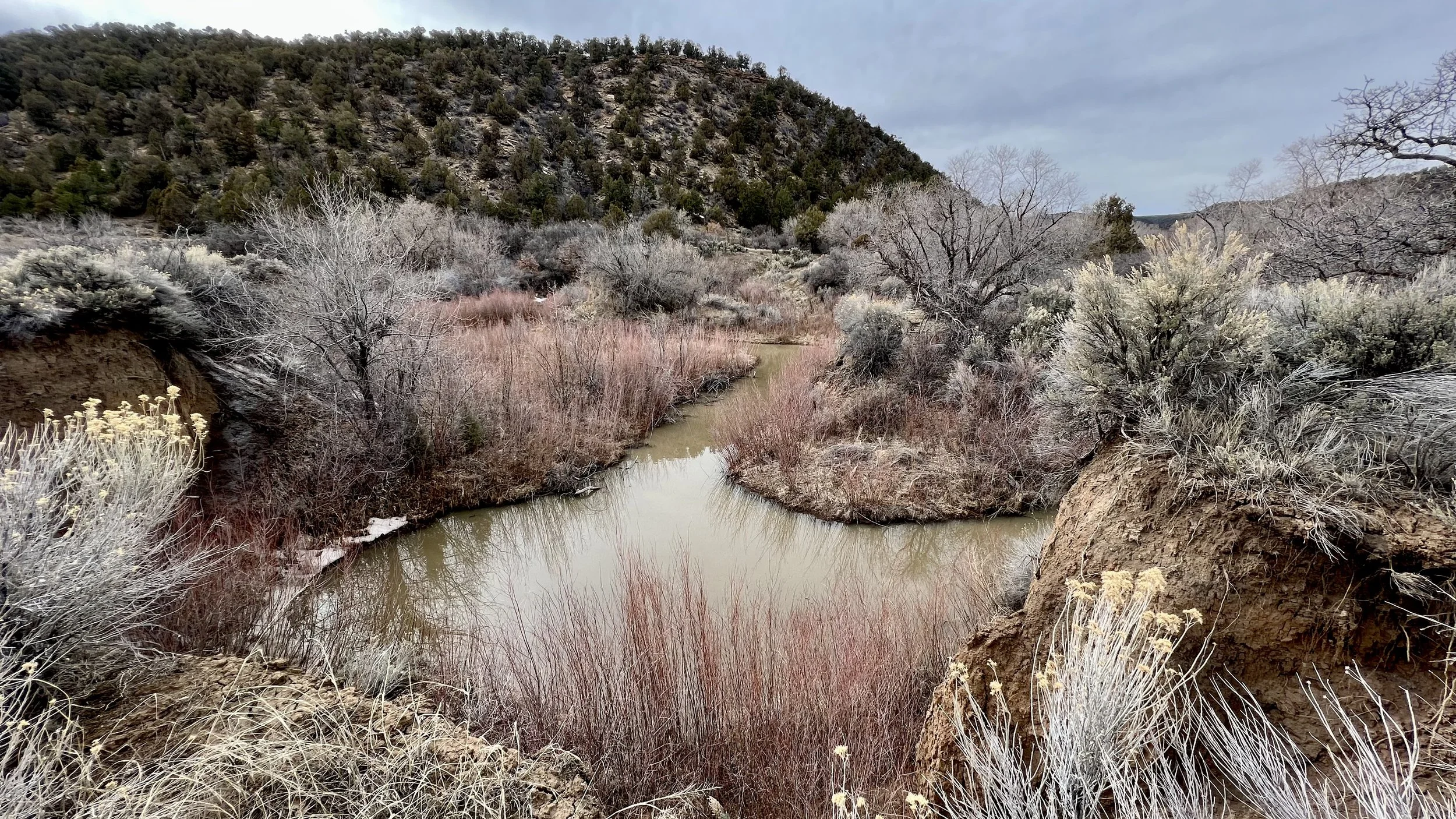
Creek and water management strategies, ponds etc
show yurt and interiors (as strategy to use temporary/portable structures that ‘touch the ground lightly’ to host and ground initial team)
Client: Bhumipala Trust
Location: Colorado, USA
Program:
xxxxxxxxxxxxxxx
Scope:
Visioning
Research, feasibility, development strategy
Master planning
Cultural container-building
Storytelling
Sustainability features:
Minimal-intervention commitment, preserving the majority of the 640-acre site in its wild state, protecting wildlife corridors and delicate microbiomes
Natural regenerative landscaping blending traditional practices with innovative techniques and permaculture design principles, including:
Selective reforestation of more than 200 acres that had been burned to the ground by wildfire
Reversal of desertification caused by climate change and 60+ years of cattle grazing
Rebuilding depleted topsoil using specialized techniques such as fungal-intensive compost, aerated compost teas, and site-optimized permaculture solutions
Establishing natural ponds to recharge precious groundwater, lower temperatures, and sustain wildlife and trees
Other sustainable water management strategies, e.g. harvesting rainwater and snowmelt, filtering greywater for reuse, protection of the creek that flows for a mile through the property and its riverine microbiome, etc.
Geodesic dome greenhouse and organic gardens
Closed-loop systems such as greywater reclamation and composting toilets producing natural fertilizer for the gardens and orchard
Low-impact built environment, including:
Lightweight accommodations made from natural materials, e.g. traditional Mongolian gers (yurts) and canvas wall tents
Communal structures built from natural materials, e.g. straw bale, site-made adobe bricks, cob, lime-stabilized compressed earth blocks, natural plasters, limecrete floors, etc.
Passive design making best use of sunlight and of natural materials for insulation
Collaborators:
Earthville Network
Suvarnabhumi Sanctuary
Builders:
Studio Lungta build team
Training workshop participants, students, and volunteers